

Autism and Friendships
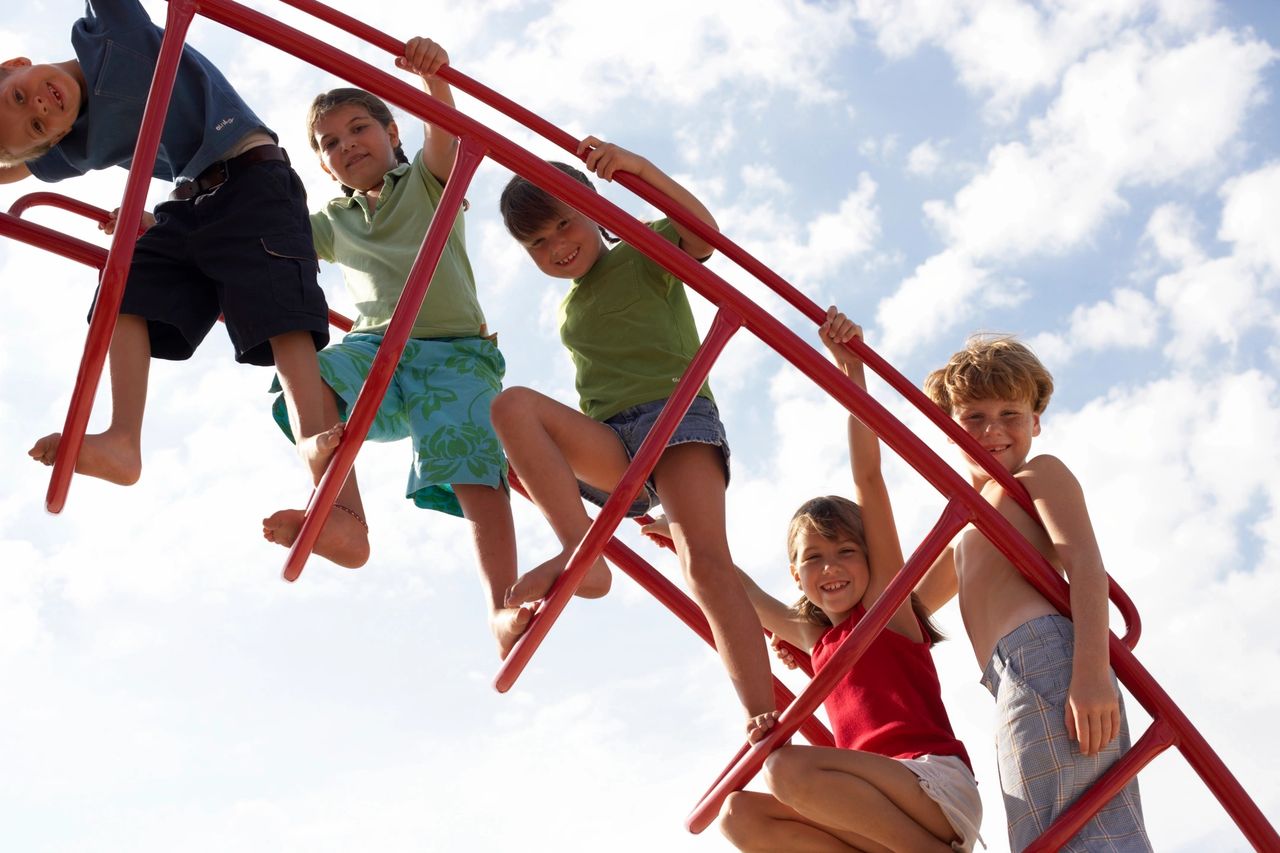
Autism and Friendships: Assisting Your Child in Developing Real Relationships
“Will my child have friends?” is a question that parents of autistic children frequently ask. Fortunately, the nature of those friendships may change from your initial expectations.
Although they may seek and experience friendship in different ways, autistic children frequently yearn for connection. Sincere and satisfying partnerships are achievable with the correct assistance.
1. It’s acceptable for friendships to look different.
Large gatherings, frequent playdates, and lengthy chats are not always necessary for friendship for many autistic kids. Parallel play, common interests, or just spending peaceful time together may actually be a way for children to form bonds and connections in a social setting. According to research, autistic kids appreciate trust and connection, but they could have different standards for friends than their neurotypical peers (Bauminger & Kasari, 2000).
2. Common Interests Serve as the Entryway
Children with autism frequently connect most strongly through their passions. Shared interests, whether they be dinosaurs, railroads, coding, or art, naturally lead to social contact. According to Koenig et al. (2010), encouraging clubs, groups, or playdates centred upon those interests fosters the development of friendships in ways that are inspiring and genuine.
3. Encouragement Is More Important Than Force
Pressuring children to engage in “normal” social interactions might backfire and cause stress or withdrawal. Socialization is instead facilitated by the provision of structure, such as smaller group settings, organized activities, or explicit expectations. Research shows that social results for autistic children are improved by guided peer involvement, in which adults facilitate relationships (Kasari et al., 2016).
4. Prioritize Quality Over Quantity
It may be more advantageous to have one or two close friendships than to try to “fit in” with everyone. Children with autism could favour fewer but deeper relationships. Parents can redefine success by focusing on whether their child has helpful and courteous friendships rather than the number of friends they have.
5. Instruct Students in Social Skills Without Changing
Their Identity Social coaching can help autistic children manage conflict, take turns, and comprehend unspoken rules. However, it’s crucial to keep in mind that the intention is not to get them to “act neurotypical.” It’s about providing them with resources while respecting their true selves. According to research, friendships flourish when differences are celebrated rather than eliminated (Petrina et al., 2014).
A Reminder to Parents When their child’s friendships change, parents can become concerned. However, being different does not imply being less significant. You may assist your child in developing friendships that last by fostering safe spaces for connection, encouraging your child’s abilities, and emphasizing quality over compliance.
References Bauminger, N., & Kasari, C. (2000). Loneliness and friendship in high-functioning children with autism. Child Development, 71(2), 447–456. Kasari, C., Rotheram-Fuller, E., Locke, J., & Gulsrud, A. (2016). Making the connection: Randomized controlled trial of social skills at school for children with autism spectrum disorders. Journal of Child Psychology and Psychiatry, 53(4), 431–439. Koenig, K., De Los Reyes, A., Cicchetti, D., Scahill, L., & Klin, A. (2010). Group intervention to promote social skills in school-age children with pervasive developmental disorders: Reconsidering efficacy. Journal of Autism and Developmental Disorders, 40(10), 116–127. Petrina, N., Carter, M., & Stephenson, J. (2014). The nature of friendship in children with autism spectrum disorders: A systematic review. Research in Autism Spectrum Disorders, 8(2), 111–126.
