
A book Summary: The Anxious Generation by Jonathan Haidt
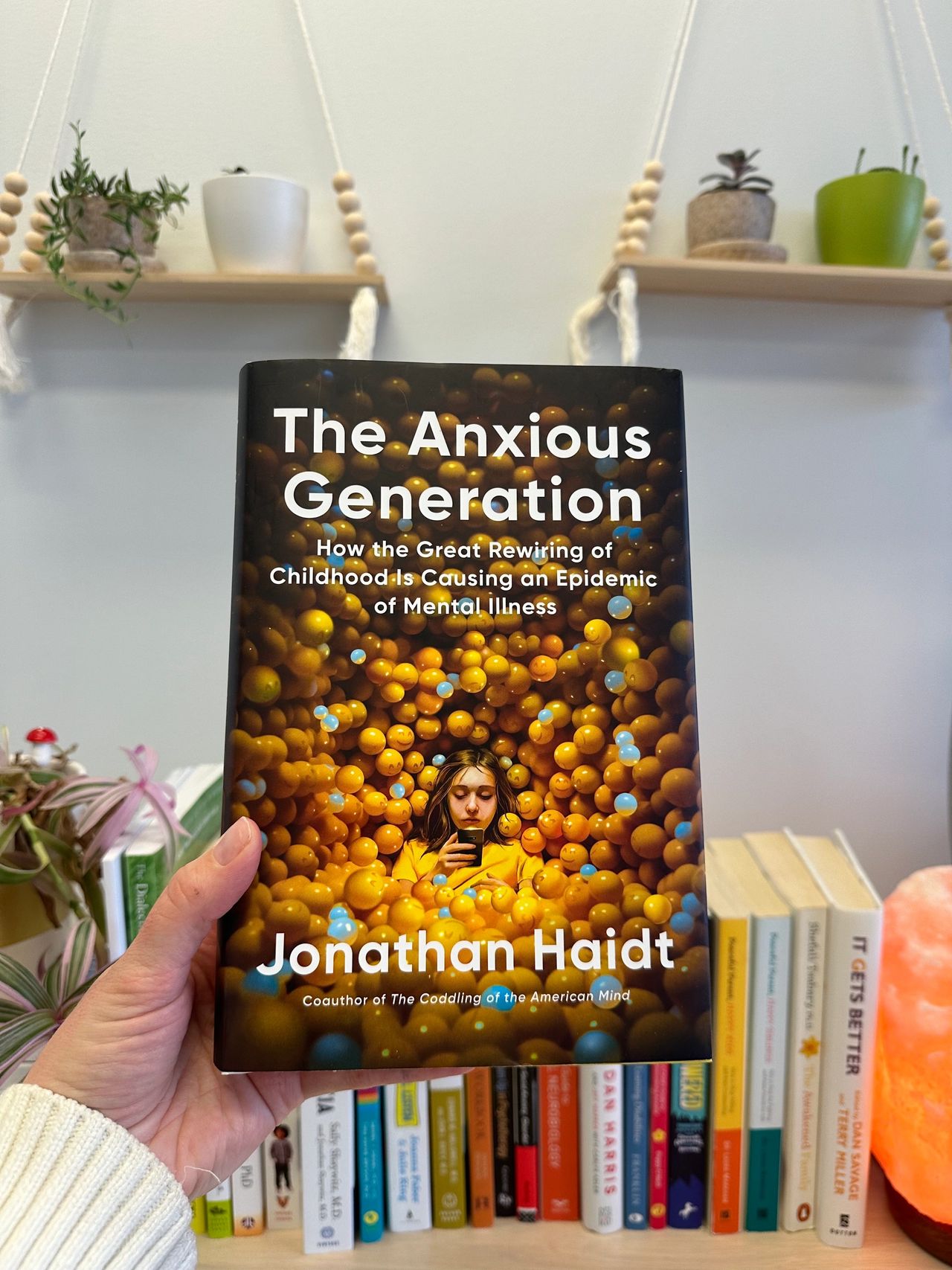
“The Anxious Generation” by Jonathan Haidt is a must-read for parents seeking to understand and support their children through the challenges of growing up in today’s digitally saturated world. Haidt dives into the complexities of modern adolescence, highlighting the impact of technology, particularly cell phones and social media, on young people’s mental health. Here are the top six takeaways:
- Navigating Technology Overload: Haidt explores how constant connectivity through cell phones and social media contributes to heightened anxiety among young people. Parents learn about the importance of setting boundaries and promoting healthy tech habits to mitigate the negative effects of technology overload on their children’s well-being. Which negatively effect girls more than boys.
- The Role of Unstructured Outdoor Play: Amidst the digital noise, Haidt emphasizes the significance of unstructured outdoor play in fostering resilience and creativity in children. Parents are encouraged to provide opportunities for their kids to explore nature freely, away from screens, as a means of promoting mental and emotional well-being.
- Understanding Social Media Stress: Social media platforms can be both a source of connection and stress for young people. Haidt delves into the pressures of maintaining online personas and navigating social comparisons, offering insights for parents on how to support their children in developing a healthy relationship with social media. Haidt recommendation is not allowing social media until the age of 16.
- Delaying Cell Phone Use: Haidt suggests delaying the introduction of smartphones until children reach a certain age – wait until 8 – is a collobrative group for parents to agree to wait till 8 grade to give their kids phones. Haidt – event suggests – wait till grade 9. This would be a around the age of 14/15 to mitigate the negative effects of early exposure to screens and social media. Parents are encouraged to consider the developmental readiness of their children before providing them with access to personal devices.
- Promoting Face-to-Face Interaction: In an age dominated by digital communication, Haidt highlights the importance of face-to-face interaction for children’s social and emotional development. Parents are encouraged to prioritize quality time spent together as a family and facilitate opportunities for their children to engage in meaningful offline interactions with peers.
- Fostering Open Communication: Above all, Haidt underscores the importance of fostering open communication with children about the challenges they face in navigating the digital landscape. By creating a supportive and non-judgmental environment, parents can empower their children to seek help when needed and develop the resilience necessary to thrive in today’s world.
In summary, “The Anxious Generation” equips parents with valuable insights and practical strategies for guiding their children through the complexities of growing up in an increasingly digital society. Through a balanced approach that emphasizes the importance of outdoor play, mindful tech use, and open communication, parents can help cultivate a generation of resilient and emotionally healthy young people.